
Introduction
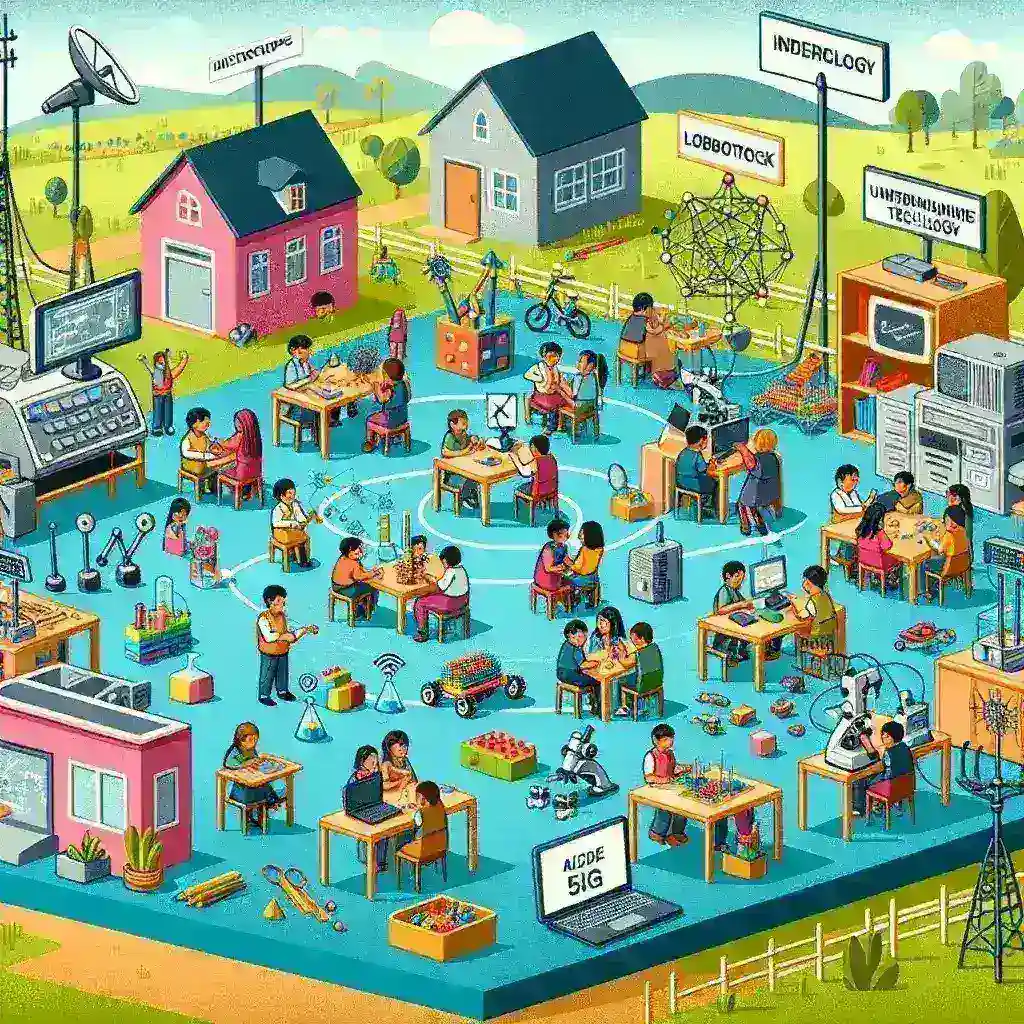
In an era where technology plays a pivotal role in education, the disparity between urban and rural schools has become increasingly pronounced. Access to cutting-edge resources often eludes students in more remote areas, limiting opportunities for engagement in crucial STEM (Science, Technology, Engineering, and Mathematics) fields. Recognizing this gap, Verizon has taken significant steps by partnering with rural schools to provide 5G STEM education kits, aimed at transforming educational experiences and equipping students with the necessary tools for future success.
The Importance of 5G in Education
The introduction of 5G technology represents a substantial leap forward in wireless communication, significantly enhancing data speed and reliability. For educational institutions, especially in rural areas, this means:
- Enhanced Connectivity: 5G allows for seamless access to digital resources, online courses, and real-time collaboration tools.
- Interactive Learning: Students can engage with immersive learning experiences such as virtual reality (VR) and augmented reality (AR), which require fast internet speeds to function effectively.
- Increased Access: With better connectivity, students can access a wider range of educational materials and opportunities, narrowing the technology gap.
Verizon’s Initiative: 5G STEM Education Kits
Verizon’s initiative involves the distribution of 5G STEM education kits to selected rural schools. These kits are designed to foster creativity, critical thinking, and problem-solving skills among students. Each kit typically includes:
- Devices: Tablets or laptops equipped with 5G capabilities.
- Software: Access to educational platforms and tools that facilitate interactive learning.
- Curriculum Guides: Resources for teachers to help integrate technology into their lesson plans effectively.
Benefits for Students and Educators
The collaboration between Verizon and rural schools is layered with benefits, impacting both students and educators:
Empowering Students
By providing access to advanced technology, students in rural areas are empowered to explore STEM fields more thoroughly. This initiative allows them to:
- Engage in Hands-On Learning: Students can participate in projects that require using technology, enhancing their grasp of theoretical concepts.
- Collaborate with Peers: 5G connectivity promotes collaboration, enabling students to work on projects together despite geographical distances.
- Prepare for Future Careers: Exposure to modern technology prepares students for careers in STEM fields, increasing their employability.
Supporting Educators
Teachers also benefit from this initiative as it:
- Provides Resources: Access to up-to-date technology and teaching materials helps educators deliver engaging lessons.
- Enhances Professional Development: Training on how to effectively use technology in the classroom leads to improved teaching techniques.
- Encourages Innovation: With new tools at their disposal, teachers can experiment with different teaching methods and approaches.
Case Studies and Success Stories
Various schools that have engaged with Verizon’s 5G STEM education kits have reported transformative experiences:
Case Study: Maplewood High School
At Maplewood High School, teachers have successfully integrated 5G technology into their science curriculum. By utilizing the kits, students conducted virtual science experiments that previously would have required physical materials and lab access. The results were remarkable:
- Increased student interest in science classes.
- Improved test scores in STEM subjects.
- Development of essential skills such as teamwork and project management.
Case Study: Riverbend Academy
Riverbend Academy utilized the kits to implement after-school coding clubs. Students learned programming languages and created their own apps:
- Enhanced problem-solving skills.
- Increased participation in technology-focused extracurricular activities.
- Stronger community engagement through student presentations.
Cultural Relevance and Future Predictions
As societies become more reliant on technology, the cultural relevance of STEM education cannot be overstated. The push for diversity in tech fields means that students from all backgrounds, including those in rural communities, should have access to the same opportunities. The future predictions for such initiatives are promising:
- Broader Adoption: More tech companies may collaborate with educational institutions to bridge the technology gap.
- Increased Funding: As success stories emerge, funding for technology in education is likely to increase, further enhancing learning experiences.
- Global Connectivity: Rural students could connect with peers globally, sharing knowledge and cultural experiences.
Challenges and Considerations
While Verizon’s partnership with rural schools for 5G STEM education kits presents numerous benefits, it is essential to consider potential challenges:
- Infrastructure Limitations: Some areas may still lack the necessary infrastructure to support 5G technology.
- Training Needs: Continuous professional development for educators is crucial to maximize the effectiveness of these kits.
- Equity Concerns: Ensuring that all students have equal access to the kits and resources is vital to avoid widening existing disparities.
Conclusion
Verizon’s partnership with rural schools to provide 5G STEM education kits is a remarkable initiative that holds the potential to reshape education in underserved areas. By equipping students and teachers with the tools they need to thrive in a technology-driven world, this collaboration addresses longstanding inequities and empowers the next generation. As we look to the future, it is essential that similar initiatives continue to expand, ensuring that every student, regardless of geographic location, has access to quality education and opportunities in STEM fields.